Need dependable Missoula HVAC air balancing professionals? We provide exact airflow testing, static pressure checks, and comprehensive adjustments that resolve temperature variations, reduce hissing vents, and cut energy costs. Technicians use calibrated manometers, airflow hoods, and thermal imaging to tune dampers, configure blower speeds, and confirm results. Receive flat-rate estimates, transparent communication, and a comprehensive report with prioritized fixes. This will protect your equipment, stabilize humidity, and optimize comfort across zones. Keep going to see what to expect and how to select.
Critical Findings
- Licensed Missoula professionals balance and optimize air distribution across spaces to eliminate hot and cold spots and lower utility expenses.
- Comprehensive testing and diagnostics: airflow and static pressure measurements using professional equipment like precision flow hoods and manometers, with detailed documentation of pre and post measurements.
- Transparent pricing: flat-rate estimates, clear scope, and separate approval for repairs beyond balancing
- We carry out in-person tuning to dampers, registers, and blower speed, complete with performance verification and an in-depth written report.
- Local scheduling you can trust: with guaranteed arrival times, regular service duration of 1.5-3 hours, and comprehensive setup guidelines for efficient service.
Understanding Air Balancing's Role in Missoula's Climate
Regardless of Montana's big temperature swings, you can maintain your home comfortable by evening out airflow between spaces. In Missoula, air balancing is crucial; it's the way to prevent temperature inconsistencies, cold spots, and stagnant air during mountain inversions. When temperature inversions concentrate pollutants low, proper supply and return flows help filter and distribute indoor air, so you enjoy better air quality. You'll also safeguard your system from excessive wear, lowering energy expenses and operating sounds.
Balanced airflow is crucial when it comes to winter humidity. When air pressure isn't uniform, air lacking humidity flows randomly, leading to static charges, skin dryness, and wooden surface contraction. By correctly adjusting ducts, registers, and dampers, humidity control improves significantly, and heat disperses uniformly from the basement to the highest floor. This results in extended equipment lifespan, uniform comfort in all areas, and the energy savings you expected.
Signs Your Home or Business Needs Air Balancing
While comfort problems can stem from various sources, specific indicators point to airflow imbalance issues. You might notice temperature variations between floors, with upper floors running hot while lower levels stay chilly. Individual rooms fail to achieve comfort levels, while noisy airflow comes from ducts. Air currents and door issues emerge when the HVAC system operates. The temperature control system cycles repeatedly, yet energy costs continue rising.
Experience uneven airflow with some registers barely working while others blast air. Dust accumulates rapidly, and unpleasant odors persist longer than expected. You struggle with inconsistent moisture levels or moisture on windows. Air filters clog up fast, indicating air infiltration from attics or crawlspaces. Vents appear dirty despite regular cleaning. When renovations have changed your floor plan or added new HVAC components, anticipate pressure problems and uneven heating or cooling.
The Professional Air Balancing Process
Before beginning repairs, an expert HVAC specialist initiates detailed system analysis: they evaluate airflow in both supply and return at every vent, system static pressure, and the temperature difference at the coil. Based on these readings, they analyze the results against design specifications, then map system imbalances across rooms and branches. Subsequently, they fine-tune dampers, register grilles, and blower speed to meet designed airflow specifications.
When certain areas still underperform, they propose zoning solutions to guarantee all zones have proper airflow when needed. They also examine airflow losses and heat transfer issues, proposing duct system protection or sealing solutions to maintain consistent delivery. In conclusion, they validate the improvements by reassessing air distribution and pressure readings, ensure comfort across areas, and maintain detailed settings so you can sustain consistent efficiency throughout the year.
Professional Tools and Testing Methods
Following the mapping of imbalances and making precise adjustments, the next phase involves using appropriate testing equipment to verify the outcomes. Techs will work with precision manometers to measure static pressure, verifying compliance with manufacturer specifications. They'll utilize airflow hoods and hot-wire anemometers to measure airflow volumes at every register, before matching these results to the original design values.
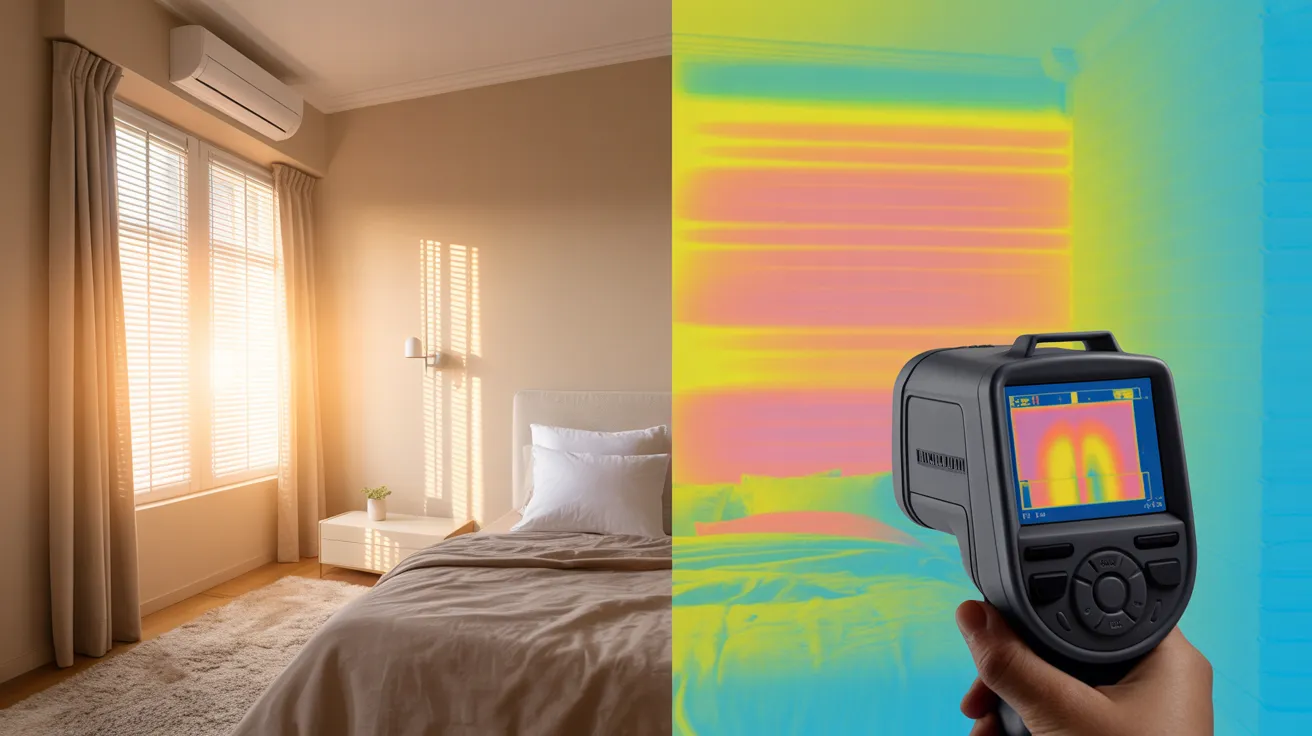
For detecting concealed air leaks, specialists use duct testers to test pressure levels in ductwork and measure air escape in CFM. Thermal imaging devices easily reveal temperature variations, missing insulation, and air leaks concealed in the structure. Data logging devices measure and document temperature and humidity patterns throughout operation, confirming comfort levels. Furthermore, smoke testing tools help visualize airflow distribution, verifying that airflow adjustments are properly configured for uniform and optimal air distribution.
Common Airflow Issues in New and Legacy Properties
Despite having well-dimensioned installations, structures of various ages develop unique airflow challenges you can readily notice. In vintage buildings, problems such as deteriorating ductwork, excessively large main lines, and inadequately sealed return vents leave remote spaces underserved. Period property renovations typically require squeezing ducts through limited pathways, creating problematic kinks, damaged flex ducting, and excessive pressure causing register noise. There's also the challenge of unsealed masonry channels behaving as air shafts, pulling conditioned air away from living spaces.
Modern buildings encounter different issues. Well-sealed structures amplify airflow issues caused by closed doors and inadequate returns, leading to stuffy bedrooms while corridors overflow with air. Lengthy flex duct runs often sink, accumulating air and dust. Open-plan designs demand precise supply and return placement to prevent improper air circulation. With ductless units, typical challenges include poorly positioned heads, obstructed airflow, and inconsistent fan settings across multiple areas.
Key Benefits: Energy Efficiency and Comfort
After balancing airflow effectively, your heating and cooling system consumes less power to maintain comfort in every room. You cut wasted run time and reduce utility bills without sacrificing performance. You also get consistent indoor temperatures, so each space feels equally comfortable.
Decreased Power Consumption
Because balanced airflow enables your HVAC system to function at peak performance without overworking, air balancing directly reduces energy usage. When supply and return ducts are optimized, fans operate at lower speeds, heating and cooling cycles reduce, and you prevent the energy loss of pressure differences. You'll require fewer kilowatt-hours without compromising comfort.
Initiate with professional testing and energy audits to detect duct restrictions, leakage, and misadjusted dampers. After optimization, check airflow levels and pressure at key registers so your HVAC unit operates at peak efficiency. Match the enhancements with intelligent climate controls to reduce system usage when you're not active. Fix noticeable duct gaps, change dirty filters, and ensure vents unblocked. These simple measures enhance the benefits from air balancing, reducing energy costs and minimizing system strain.
Uniform Indoor Temperature
The most significant benefit from air balancing is achieving even temperatures throughout your home. You resolve hot and cold spots since each vent and return delivers appropriate airflow. Your comfort system runs more effectively, preventing unnecessary wear and excessive running in troublesome zones.
Even air distribution helps improve moisture control. As air flows uniformly, your equipment will regulate moisture levels during summer months and prevent dry conditions in the heating season. Pair air balancing with targeted zone management, and you'll enhance comfort levels throughout various sections of your home without modifying the thermostat controls.
You'll experience quieter vents, fewer drafts, and better sleep because bedrooms hold setpoints. Through maintaining even temperatures, you reduce wasted energy, protect equipment, and make every room feel the way you expect-all rooms properly controlled.
Extending the Life of Your HVAC System
Even as you focus on comfort, proper airflow also safeguards your HVAC unit and helps it last longer. With proper air distribution to rooms, the blower motor operates efficiently, coils and heat exchangers stay at proper temperatures, and mechanical components experience less strain. You'll minimize excessive cycling and unwanted vibration, while protecting electrical components at proper temperature levels.
Air balancing functions effectively with essential maintenance tasks like changing filters and sealing ductwork. A clean filter helps prevent system pressure that limits airflow; properly sealed ducts eliminate losses that force your system to work harder. Together, these measures balance air pressure levels, improve temperature exchange, and maintain proper refrigerant and airflow ratios. The outcome is fewer system breakdowns, lower energy consumption, and a longer service life for your heating and cooling system.
Essential Traits of a Skilled Missoula Technician
Looking for an expert you can rely on in Missoula? Start by verifying professional certifications. Inquire about NCI or NEBB air balancing certification and verification of Montana licensing and insurance. Confirm expertise in air flow analysis, duct design, and building pressure testing. After that, focus on local experience. A specialist who frequently services Missoula homes is familiar with alpine conditions, older duct layouts, wildfire smoke factors, and high‑efficiency retrofits typical in this area.
Review testimonials that highlight measurable results-like balanced climate control, smoother performance, and improved airflow metrics. Request references and performance data that contain baseline readings, improvements implemented, and final balance data. Make sure they use accurately tuned tools: manometers, flow measurement devices, and thermal imaging equipment. Look for detailed updates, documented results, and maintenance recommendations. Choose a specialist who tracks all procedures and validates their measurements.
Service Details: Costs, Duration, and Visit Overview
You'll receive a detailed pricing structure upfront, so you understand exactly what each step costs. We'll outline a standard service timeline, from when we start to your detailed balance report. In the on-site visit, our technicians evaluate airflow throughout your space, calibrate dampers, measure static pressure, and confirm our findings with you.
Pricing Information Overview
Prior to starting the HVAC balancing process, we present clear pricing, timing, and steps so you know exactly what's ahead. You'll receive fixed price quotes prior to starting work, so there are no surprises. We bundle related services and apply special package rates when it benefits your budget, then outline the package contents and additional choices.
Your quote includes work hours, testing gear, standard supplies, and travel expenses throughout the Missoula service territory. If your system needs repairs beyond balancing, we identify these separately and don't proceed without approval. We also specify how long the visit typically takes and when results will be available, then establish your preferred timeframe.
You will get a detailed breakdown in written form, along with payment options and warranties connected to your chosen scope.
Service Duration Guide
After settling the pricing, the visit follows a straightforward process to ensure clarity. You'll receive a scheduling window, then your confirmed arrival time one day in advance. During high-demand times, service scheduling could affect waiting periods, so book early for promptest scheduling.
Ahead of your appointment, we'll send you a quick preparation checklist: confirm clear access to supply and return grills, accessibility of crawlspace or attic if required, and visibility of the thermostat. Make arrangements for pets to be contained and verify that doors are reachable. The appointment typically requires between 1.5 and 3 hours, depending on the size of your home and equipment complexity.
You will be notified if timing shifts and a brief overview upon completion with suggested follow-up actions and projected schedules for future refinements.
Location Visit Protocol
While each home is unique, our specialist adheres to a precise, transparent process upon arrival. They confirm your goals, review problem rooms, and explain pricing before commencing service. We'll provide a clear estimate for diagnostics and balancing adjustments, as well as potential fixes should we detect duct issues.
After that, the team evaluates temperature differentials, airflow patterns, and room pressure with specialized flow hoods and manometers. They evaluate the air handler, filters, dampers, and registers, before checking pressure levels to locate problem areas. When necessary, they implement small damper modifications right away.
Plan for 60-120 minutes for completion; complex homes may require additional time. Before concluding, you'll receive a detailed report showing recommended fixes, budget requirements, and projected timelines, helping you grasp what requires quick action, which repairs can wait, and the path to creating balanced comfort levels.
Maintenance Tips for Optimal Airflow
Even when your HVAC system appears to be working properly, regular maintenance ensures proper air circulation and energy efficiency. Make seasonal filter changes a priority-contaminated filters restrict proper flow, overworking the blower motor and causing temperature imbalances. Plan for twice-yearly maintenance, or service more often with pets or allergies in the home.
Next, schedule an inspection of your ductwork. Small leaks waste conditioned air, create pressure imbalances, and allow dust infiltration. Get professionals to check static pressure and seal gaps with professional-grade tape, not cloth duct tape. Maintain clear supply and return vents and free from blockages; don't block them with furniture or rugs. Perform monthly cleaning of registers and grilles. Verify dampers remain in their intended positions after system servicing. Finally, book annual airflow testing to ensure proper air distribution.
Common Inquiries
Can I Schedule Emergency or After-Hours Air Balancing in Missoula?
Yes, you are able to arrange urgent air balancing visits in Missoula. We deliver flexible after hours scheduling to reduce downtime and ensure your system performing safely. Should ventilation concerns develop, our emergency response team mobilizes quickly to assess imbalances, correct pressures, and reestablish comfort. We provide clear communication, upfront pricing, and detailed reports. Book online, call, or text-let us know your timeframe, and we'll match a certified technician to address your pressing concerns.
Will Air Balancing Enhance Indoor Air Quality and Lower Allergen Levels?
Yes, air balancing helps enhance indoor air quality and decrease allergens. Watch as irritants bid farewell: optimized ventilation harmonizes airflow, delivers optimal fresh air, and starves stale pockets where allergens collect. You'll achieve improved filtration across rooms, bringing about particle reduction, fewer hot-cold zones, and decreased humidity fluctuation that promotes mold. Technicians measure, fine-tune dampers, and check airflow at each register so your system stops freeloading and maintains air quality.
What Rebates and Utility Incentives are Available for Air Balancing Services?
Indeed, you can frequently obtain rebates or utility incentives for air balancing, although programs differ. Visit your utility's website for rebate eligibility requirements-some mandate a certified technician, performance calculations, or performance reports. Verify incentive timing, as funds may be seasonal or first-come, first-served. You'll usually need proof of payment and records of system balancing. Ask about stacking incentives with system maintenance or smart thermostats to increase benefits and accelerate your return on investment.
Does Air Balancing Impact My HVAC Manufacturer Warranty?
Poor air balancing generally won't nullify your HVAC manufacturer warranty. Consider it a minor adjustment, not a major overhaul. Nevertheless, protect your warranty coverage by employing certified professionals who adhere to industry standards and record measurements. Review manufacturer guidelines: some require certified professionals, restrict altering equipment settings beyond specs, or need proof of maintenance. Save records of measurements, adjustments, and filters used. If in doubt, contact the manufacturer to confirm compliance before scheduling the service.
Can I Get Written Balancing Reports with Before/After Airflow Data?
You'll receive comprehensive airflow data and balancing reports. We carefully document all measurements for each register and return, capturing flow rates, system pressure, temperature changes, and fan parameters. You'll receive complete verification data listing test locations, testing instruments, and tolerance compliance. Our reports get more info detail system modifications, such as damper adjustments, sealing work, and blower adjustments. Post-adjustment confirmation you'll get both digital and printed comprehensive documentation for documentation purposes and upcoming maintenance.
Closing Remarks
You've dealt with the hot-and-cold battle in Missoula's seasons-now let your airflow work in harmony. When you optimize your system, rooms maintain consistent temperatures, energy costs decrease, and equipment performs efficiently. Count on a certified local specialist to fine-tune dampers, check pressures, and regulate drafts so comfort flows naturally like the Clark Fork. Book a visit, review the measurements, and maintain simple maintenance. Follow these steps, and your HVAC will perform flawlessly during cold seasons and hot spells.